Auroras Explained: Causes and Observations in Space Weather
Auroras are glowing patterns in the sky caused by energetic particles from the sun colliding with gases high in Earth's atmosphere. These light displays usually form between 80 and 500 kilometers above the surface, with the strongest activity near the magnetic poles. Visibility depends on solar wind intensity, atmospheric clarity, and the time of year–during peak solar storms, auroras have been recorded as far south as 35 degrees latitude. Their color, shape, and frequency shift with changes in both solar and terrestrial conditions.
Why do auroras appear in the sky
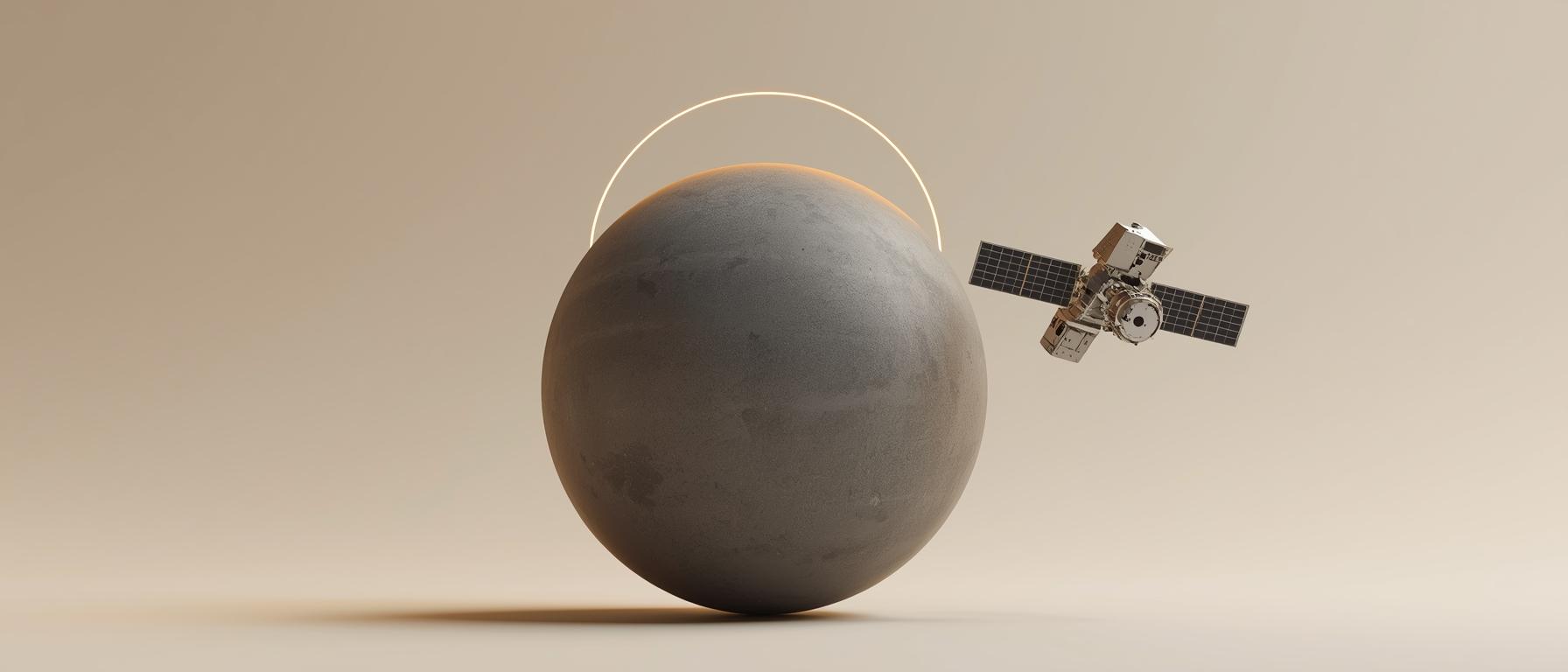
Auroras happen when charged particles from the solar wind collide with gases high in Earth's atmosphere. The magnetic field steers these particles toward the poles. This interaction excites atoms, releasing light in the sky.
Oxygen emits green and red light, while nitrogen creates blue and purple hues. Strong solar storms can make auroras visible much farther from the poles than usual.
During powerful geomagnetic storms, satellites and power grids risk disruption. The intensity and spread of auroral displays often signal the strength of space weather events.
How auroras differ by location

Cities close to the magnetic poles witness auroras far more often than those near the equator. Local magnetic field strength, atmospheric composition, and the alignment of Earth's axis all shape the color, frequency, and intensity of these natural spectacles. Some locations experience brighter, more frequent displays that make auroras a regular part of the night sky.
Northern and southern hemisphere differences
Aurora borealis and aurora australis appear in opposite hemispheres, shaped by each pole's geomagnetic field. Distinct landmasses, weather patterns, and magnetic alignment create observable differences in these light displays. This sequence tracks how those factors separate northern and southern auroras:
- Charged particles from the solar wind follow Earth's magnetic field lines toward the north and south poles.
- In the north, aurora borealis stretches over populated regions like Scandinavia, Canada, and Alaska, often forming wide, colorful arcs.
- In the south, aurora australis occurs mostly above the remote Southern Ocean and Antarctica, making regular observation difficult for most people.
- Differences in magnetic field structure at each pole shift the typical oval shape, so southern auroras sometimes appear lower on the horizon from inhabited land.
- Atmospheric conditions and daylight hours influence color and brightness, with northern lights often reported as more vivid due to frequent viewing points.
Researchers comparing auroras from both hemispheres rely on satellite data when the southern lights cannot be seen from the ground. For travelers seeking the most vibrant displays, northern locations offer more frequent public access and infrastructure.
Why some places see more auroras
Cities like Tromsø in Norway experience frequent, vivid auroras, while places at similar latitudes, such as Scotland, see them rarely. This difference comes from the position relative to the geomagnetic pole, not just the geographic one, and is further shaped by local magnetic field variations.
Regions directly beneath the auroral oval–an invisible ring encircling the geomagnetic poles–see far more auroras than locations even a few hundred kilometers outside it.
Urban light pollution can drown out even a strong display, meaning rural Alaska offers clearer views than densely populated St. Petersburg at similar geomagnetic latitude. Mountain ranges and weather patterns also influence visibility, blocking or revealing a show that is happening overhead.
Geography and magnetic field dynamics explain why auroras dazzle some regions while remaining rare in others. Understanding these differences helps pinpoint the best vantage points for observing this phenomenon.
What makes auroras change shape and color
Auroras over polar regions often glow green but can erupt in red or violet after intense solar storms. These dramatic changes reveal shifts in both space weather and local atmospheric makeup.
| Solar activity | Aurora color | Shape movement | Atmospheric influence |
|---|---|---|---|
| Quiet sun | Green dominates | Slow arcs | Low oxygen density |
| High solar flare | Red or purple appears | Rapid rippling | Thicker upper oxygen |
| Magnetic storm | Multiple colors layered | Sudden curtains and swirls | Disturbed nitrogen |
| Equinox season | Green with pink edges | Frequent pulsations | Optimal mixing of gases |
| Midwinter | Faint blue possible | Static bands | Cold, dense lower air |
Intense solar eruptions can shift the entire palette within minutes, while calm periods bring uniform shapes. Strong magnetic activity especially disrupts color patterns and speeds up movement.
How to observe auroras safely and clearly
Clear skies and minimal light pollution make northern lights more visible, while city lights can wash out faint color bands. Mountain ranges and open fields often provide unobstructed views that reveal more detail in auroras. Preparation for cold temperatures and remote locations is crucial, as frostbite risk rises during prolonged outdoor exposure.
Best conditions for viewing auroras
Moonless nights in northern regions offer the clearest views of auroras. Urban glare competes with faint green and red lights, masking subtle displays that even digital cameras struggle to capture. Conditions that enhance visibility include:
- High geomagnetic activity – strong solar storms increase aurora intensity
- Midnight to 2 a.m. – peak darkness boosts contrast for faint lights
- Rural locations – distance from city glow reveals dimmer arcs
- No moon – new moon phases prevent sky washout
- Low humidity and no clouds – crisp air keeps colors sharp
Seasonal changes can affect how long the aurora remains visible, with winter giving the longest dark hours. Mountain ridges or open fields often offer the broadest unobstructed view of the northern sky.
Safety tips for aurora watchers
Long exposure times in arctic winters can expose aurora watchers to extreme cold. Rapid weather changes in high latitudes create additional hazards that are harder to predict from afar.
Frostbite risk rises when temperatures fall below minus 20 degrees Celsius, especially if hands or feet stay uncovered. Layered clothing with windproof outer shells blocks icy gusts that can make exposed skin go numb within minutes.
Unexpected snow squalls can hide distant landmarks and make navigation difficult after nightfall. In remote locations, sudden whiteout conditions have forced even experienced guides to use GPS devices to retrace their steps back to shelter.
Stormy nights above the tree line test both preparation and resilience. Carrying hand warmers or a thermal blanket can mean the difference between a memorable outing and a medical emergency.
Protective clothing and site selection both shape the experience and safety of aurora observation. Local weather updates and travel plans aligned with geomagnetic forecasts reduce missed opportunities and unexpected hazards.